- Does Shuffle KYC?
- Why Does Shuffle Need to Verify You?
- How to Access Your Verification Status
- When Will They Ask for Verification?
- Three Levels of Verification
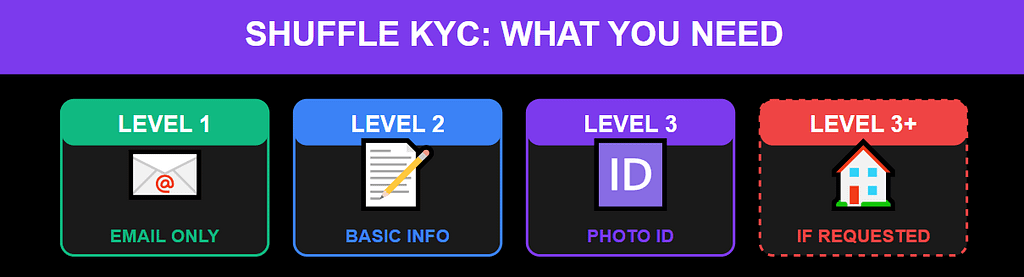
- Level 1: Email Verification
- Level 2: Basic Information
- Level 3: Identity Verification
- Level 3+ : Proof of Address (When Required)
- What Triggers “Enhanced Due Diligence”?
- Restricted Countries
- Real Player Experiences
- Tips for Smooth Verification
- What If Something Goes Wrong?
- The Bottom Line
Thinking about joining Shuffle Casino? Before you can make your first deposit and start playing, you’ll need to complete their verification process. Don’t worry – I’ve got you covered. Let’s break down everything about Shuffle KYC in a way that actually makes sense.
If you want a complete overview of the platform beyond just verification, check out our comprehensive Shuffle Casino review
Does Shuffle KYC?
Some players have been told Shuffle “never does KYC” – this is absolutely false. They clearly state in their terms they require verification, and player feedback along with my own experience confirm they do enforce this. Don’t believe anyone who tells you otherwise.
Why Does Shuffle Need to Verify You?
Look, I get it. You just want to play some games and have fun, right? But here’s the deal – Shuffle Casino KYC isn’t optional. They’re licensed by the Curaçao Gaming Control Board, which means they have to follow certain rules to keep their license and operate legally.
Think of it like going to a bar – they check your ID at the door, not because they want to ruin your night, but because they legally have to make sure you’re old enough to be there. Same thing here, just online.
How to Access Your Verification Status
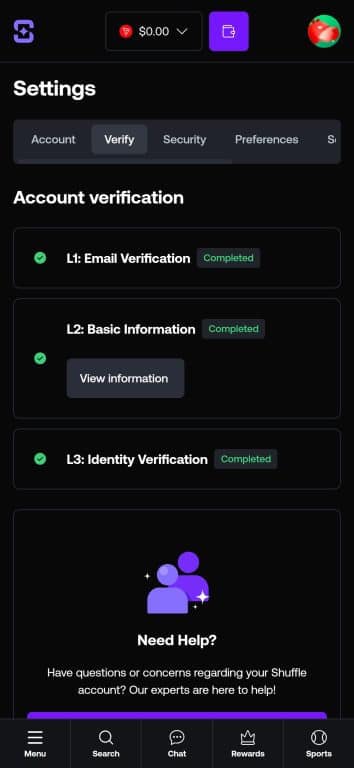
First things first – finding where to verify is super easy. Just head to your Settings page and click on the Verify tab. You’ll see your account verification status right there, with a nice clean interface showing you exactly what’s been completed and what still needs to be done.
The interface shows you three levels:
- L1: Email Verification
- L2: Basic Information
- L3: Identity Verification
There’s even a “Need Help?” section with a chat support button if you get stuck. Pretty user-friendly, honestly.
When Will They Ask for Verification?
Shuffle now requires verification before making your first deposit. While you can create an account with just basic info, you’ll need to complete Level 1, Level 2, and Level 3 verification before you can actually fund your account and start playing.
They will definitely ask for initial verification before your first deposit, and then might require additional verification when:
- You hit certain withdrawal thresholds (they don’t specify exact amounts, which is kinda annoying)
- Your account shows “red flag” behavior (more on that later)
- They suspect you’re from a restricted jurisdiction
Always ensure you’re completing KYC on legitimate Shuffle domains. Fraudulent mirror sites may attempt to collect personal documents for identity theft. Learn to identify official mirrors and avoid scams with our Shuffle mirror sites guide
Three Levels of Verification
Shuffle has this tiered system that’s actually pretty straightforward:
Level 1: Email Verification
This one’s a no-brainer. Just verify your email address when you sign up. Takes like 30 seconds, and boom – you’ve got that green checkmark.
Level 2: Basic Information
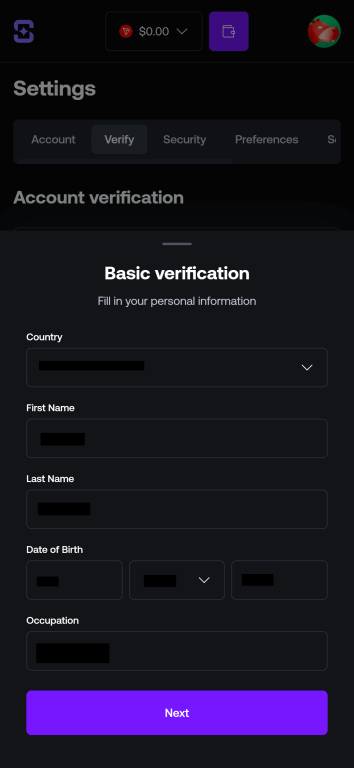
This is the easy stuff:
- Your full legal name (yes, your real one)
- Date of birth
- Country
- What you do for work
Pretty standard, nothing crazy here. Once you fill this out, you can click “View Information” to see what you’ve submitted.
Level 3: Identity Verification
Time to show some ID! They accept:
- Passport
- National ID card
- Driver’s license
- Residence permit
Make sure your ID is clear, not expired, and all corners are visible. Blurry photos = delays = frustration.
Level 3+ : Proof of Address (When Required)
This is where some people get stuck. You need to show you actually live where you say you do. They’ll take:
- Bank statements
- Utility bills (gas, electric, water, internet)
- Government letters
- Current lease agreement (signed by both you and your landlord)
- Credit card statements
- Letter from your employer confirming your address
- House purchase deed
Pro tip: Make sure whatever you send is recent – usually within the last 3 months works best.
What Triggers “Enhanced Due Diligence”?
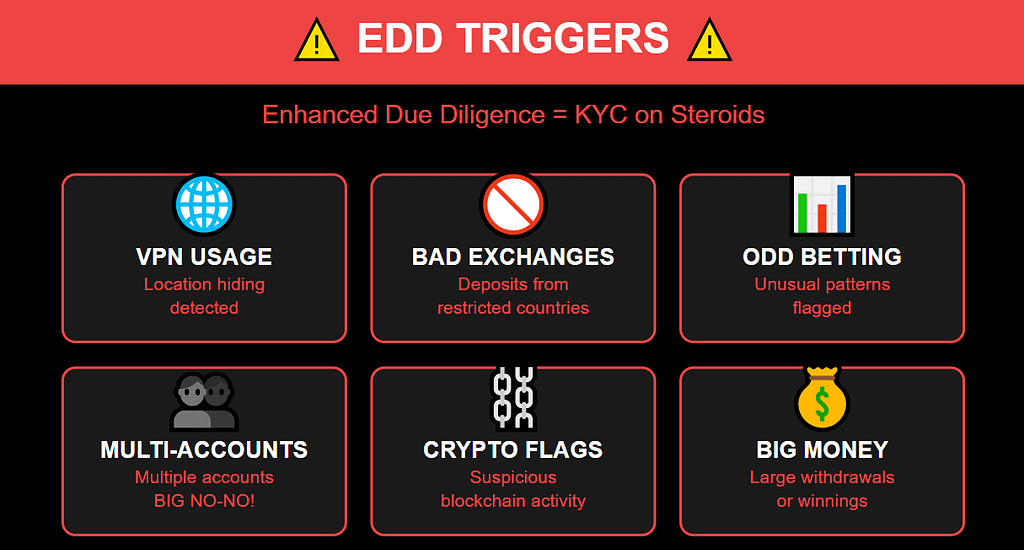
EDD (Enhanced Due Diligence) is basically verification on steroids. This happens when they see red flags like using a VPN or trying to hide your location. They’re also watching for deposits that come from exchanges in restricted countries, unusual betting patterns, or if you’re running multiple accounts. Any suspicious blockchain activity or large withdrawals and winnings can also trigger this enhanced scrutiny.
If you trigger EDD, be prepared for some serious document requests. They might ask for source of funds documentation to prove where your money comes from, tax ID numbers, and even more detailed personal info than you’d ever want to share.
Yeah, it’s a lot. But if you’re playing legitimately, you shouldn’t hit these triggers.
Restricted Countries
This is super important – Shuffle straight up doesn’t allow players from certain countries. The big ones include:
- United States
- United Kingdom
- Australia
- Germany
- Netherlands
- Spain
- Singapore
And a bunch more. They use IP blocking, but if you’re thinking about using a VPN to get around it – don’t. They specifically say this violates their terms, and they’ve got systems to detect it. Getting caught means losing your account and probably your funds too.
Real Player Experiences
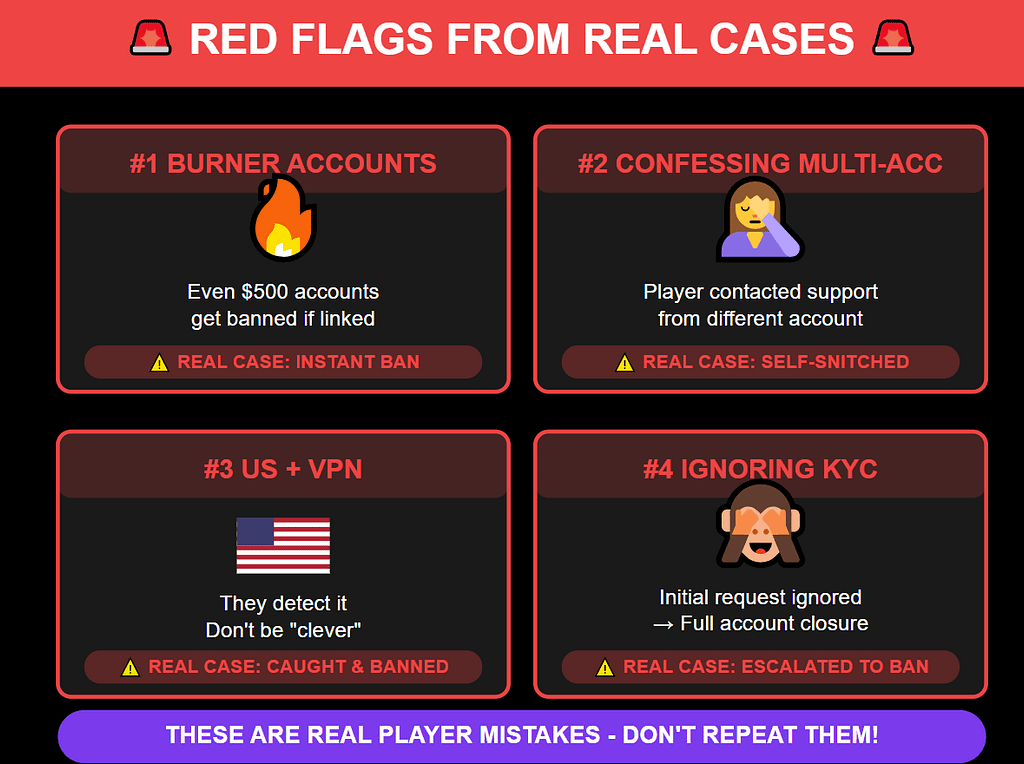
Looking at actual player complaints, here’s what I’ve found. Some players report getting KYC’d randomly and having their accounts closed, while others complain that verification can take much longer than promised – one player was told June 16th but it dragged on well past that date.
Here’s the reality check though – most complaints I’ve seen involve players who were using VPNs to play from restricted countries, had multiple accounts, couldn’t provide proper verification documents, or were suspected of bonus abuse. I found one case where Shuffle provided evidence of multi-accounting, and the complaint was rejected by the mediator. So yeah, they take this stuff seriously.
Personally, I verified my account before I started playing and never had any trouble after that. Sometimes being proactive with verification can save you headaches down the road, especially if you plan to make significant withdrawals.
Tips for Smooth Verification
Based on everything in their terms and real player feedback, here’s my advice for a smooth experience with Shuffle.
First off, check your verification status. Just pop into Settings > Verify to see where you’re at – it takes two seconds and can save you from surprises later. And please, use your real info from day one. I’ve seen too many players try to “fix” their details later, and it’s always a nightmare.
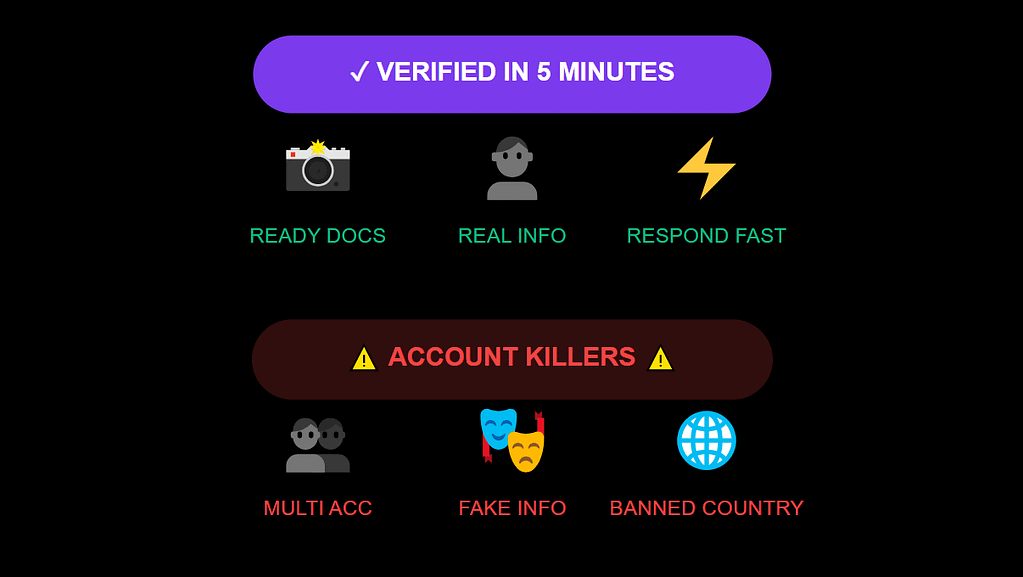
Keep your documents ready to go. Having clear photos of your ID and a recent proof of address saved on your phone or computer means you can complete it quickly. When I did my verification, I had everything ready and the whole process took maybe 5 minutes – seriously, it was that quick.
Now here’s where people really mess up – VPNs. Don’t even think about using one to bypass country restrictions. I get it, it’s frustrating if you can’t play from your location, but getting caught means losing everything. Same goes for multiple accounts – just don’t. One account per person, period.
If you get stuck, use that purple “Chat with us” button – the support team is actually pretty helpful if you’re polite and have your documents ready.
Quick tip: If you’re in the Shuffle affiliate program sharing this kind of practical advice with your referrals can really boost your conversion rates.
What If Something Goes Wrong?
If you run into issues, you’ve got options:
- Use the live chat feature right in the Verify tab
- Email support at support@shuffle.com
- Check if your documents meet all the requirements (clear photos, recent dates, etc.)
But here’s the thing – if they’ve already decided you’ve violated their terms, support might become unresponsive. I’ve seen complaints where players say support blocked their email addresses after account closures.
The Bottom Line
Shuffle’s verification process isn’t the worst I’ve seen, but it’s definitely not as “no KYC” as some people claim. The good news? The interface is clean and straightforward – no hunting through menus trying to figure out where to upload your docs.
If you’re a legitimate player from an allowed country using your own funds, you’ll be fine. Just be prepared to verify when asked, keep your documents handy, and don’t try to game the system. The whole “we can ask for verification anytime” thing is a bit much, but that’s the trade-off for playing at a licensed casino.
For those who find Shuffle’s verification requirements too intrusive or simply prefer to maintain their privacy while gambling online, there are no KYC casino alternatives available
Responsible Gambling: Remember to gamble responsibly. Set limits, never chase losses, and only play with money you can afford to lose. If you feel your gambling is becoming a problem, seek help from organizations like GamCare or BeGambleAware.